
Electric Luggage for a Japan Trip from the Philippines: What Filipinos Should Plan Before Flying
Filipinos packing electric luggage for a Japan trip from the Philippines usually want two answers: can the bag fly with a removable battery, and can you ride it once you land. This guide is for PH departure planning and Japan-side suitcase-mode defaults—not a boarding guarantee, not a tourist-law certificate, and not permission to ride in Tokyo or Osaka streets.
Quick contrast: Philippine weekend hops (hotel ↔ airport curb, domestic terminals) are covered on electric luggage for domestic trips in the Philippines. This page owns the PH→Japan itinerary: MNL (or your PH airport) battery ritual, then no-ride / suitcase-mode once you land in Japan.
If you are still deciding what “electric luggage” means in PH search, start here: Electric luggage in the Philippines. Listed specs vs a popular PH electric luggage brand stay on: NEXORA vs a popular electric luggage brand. For PAL/Cebu lithium process with Summit Glide’s 95.7Wh pack: smart luggage battery PAL and Cebu Pacific.
What this page covers (and what it does not)
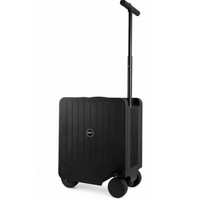
Covers: packing a Summit Glide Classic or Edge for a PH→Japan itinerary, removable-battery ritual at MNL (or your PH airport), how Japan differs from “ride in the terminal” marketing, PH curb-to-terminal habits before you fly, and when Aero foldable mobility is the better NEXORA product for the same trip.
Does not cover: a full PAL/Cebu Pacific mobility-aid checklist (that is the Aero flights post), rainy-day or gift checklists, or hotel elevator tips as the main topic. It does not invent Japan street-riding permission or airline boarding guarantees.
Listed Summit Glide facts (re-checked 25 Sep 2026 Asia/Manila)
Live product pages checked on 25 Sep 2026 Asia/Manila. Live PDP wins if anything changes.
| Summit Glide Classic | Summit Glide Edge | |
|---|---|---|
| Live URL | Classic | Edge |
| Capacity | 35L | 38L |
| Battery | removable Li-ion 95.7Wh (25.2V / 3.8Ah) | same 95.7Wh removable |
| Listed PHP (day of check) | ₱29,990 (compare-at ₱35,990) | ₱32,990 (compare-at ₱39,990) |
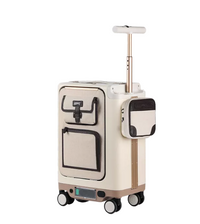
| Weight notes | body 8.20kg + battery 555g ≈ 8.76kg; max load 120kg; dims 39×24×50cm | lighter listed body 6.5kg without battery ≈ 7.06kg with battery; laptop compartment + detachable bag listed |
| Notes | hardside, hidden footrests, TSA lock listed | PC/fabric body, aluminum reinforcement, TSA lock listed |
Collection: Smart Luggage. Model pick detail: Summit Glide Classic vs Edge Philippines.
Both packs sit under the common 100Wh cabin-lithium band many carriers use for removable spares. That is not a stamp from PAL, Cebu Pacific, or any Japan airline. Confirm the exact ticket and aircraft rules before you travel.
Step 1 — Treat the Japan leg as suitcase mode first
Public reporting and travel guides in 2024–2026 describe a clear Japan pattern: ride-on / motorised suitcases are often treated as motorised vehicles under road rules, and major airports have restricted or banned riding inside terminals for crowd safety.
Practical meaning for a Filipino traveler:
- Plan to roll or carry the bag like normal luggage in Japan airports and cities.
- Do not assume sidewalk or street riding is allowed without Japanese vehicle requirements (licence, registration, equipment)—tourists have been stopped.
- Do not promise yourself “ride from Narita to the hotel.” That claim would be unsafe and unsupported.
- Default power off in Japan terminals, stations, and city streets unless a specific venue explicitly allows powered use.
The value of Summit Glide on a Japan trip is still real: 35–38L packing, removable battery for airline process, and powered assist only where the airport or venue explicitly allows it—more often on the Philippine side (home/hotel ↔ curb) than after landing in Japan. For PH curb-to-door habits before you fly, see ride-on luggage airport transfers Philippines and the ride-on luggage Philippine airports guide.
Step 2 — PH airport battery ritual (before Japan)
Use the same discipline as other smart luggage—this is the part you control before the Japan ticket:
- Charge the pack fully at home the night before if you need it after landing—as a power bank / installed pack, not as a street scooter.
- At check-in, be ready to remove the 95.7Wh battery if the bag is checked. Carry the pack in the cabin.
- Keep the empty bag’s power off if cabin-carried with battery installed only when your airline allows that setup.
- Re-check the carrier page for your flight—rules differ by airline and can change. Start with smart luggage battery PAL and Cebu Pacific, then verify the Japan-route page for your ticket.
Deep dive: Removable battery guide.
Wording that stays honest: boarding with smart luggage is often possible when the battery is removable and the airline’s rules for that flight are met. It is never automatic. Ground staff can still refuse a device. This page does not guarantee boarding on any Manila–Japan flight.
Step 3 — Pack for Japan days, not for a joyride
Useful PH→Japan packing habits with Classic/Edge:
- Put liquids, meds, and documents where you can reach them without dumping the whole shell.
- Edge’s listed laptop compartment and detachable bag help digital nomads and remote workers; Classic prioritises a cleaner 35L hardside—pick by trip length and access needs, not by motor marketing.
- Leave space for Japan purchases; 35–38L fills fast with souvenirs.
- Bring a short printed note of battery Wh (95.7Wh) for check-in questions.
- Mentally separate PH transfer corridors (where powered use may sometimes be allowed) from Japan suitcase mode (default roll/carry).
Hotel elevators, charging, and room storage still matter, but the dedicated hotel checklist stays here: Smart travel gear for hotel stays.
Step 4 — When Aero is the better NEXORA product for the same Japan trip
Bring Summit Glide when the job is cabin-style luggage capacity plus removable-battery airline process (Classic ₱29,990 / Edge ₱32,990 on 25 Sep 2026 checks).
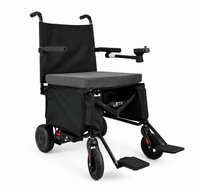
Bring Aero Lite / Aero Pro when the job is foldable travel mobility for someone who needs a chair—not a ride-on suitcase. Live PDP day-of-check notes: Aero Lite ₱39,990 / 89.43Wh; Aero Pro ₱44,990 / 89.43Wh (different category from Summit Glide’s 95.7Wh). Airline mobility process: Foldable electric wheelchair on Philippine flights.
Do not mix the two jobs in one expectation: Japan’s crackdown stories are about motorised suitcases being ridden, not about approved mobility aids following airline and airport procedures.
FAQ
Can I ride Summit Glide around Tokyo or Osaka?
Do not plan on it. Japan road rules and multiple airport policies treat ride-on suitcases as restricted. Use the bag as luggage unless a specific venue states otherwise.
Can I fly Manila–Japan with the battery?
Often possible if the 95.7Wh pack is removable and your airline accepts that setup for your flight. Remove for check-in when required; carry the battery in the cabin. Verify before travel—never automatic. See PAL/Cebu Pacific battery guidance.
Is this the same as the domestic trips or Philippine airports guides?
No. Domestic trips covers PH weekends and inter-island hops. The Philippine airports guide is PH-terminal process. This page is Japan-trip prep from the Philippines, including Japan-side no-ride defaults.
Classic or Edge for a Japan week?
Classic (35L, ₱29,990) for a cleaner hardside shell; Edge (38L, ₱32,990) when laptop access and a detachable bag matter. Full comparison: Summit Glide Classic vs Edge.
Where do I buy NEXORA before the trip?
Where to buy smart travel gear in the Philippines.
Next step
Open Smart Luggage, then Classic or Edge. Re-read your airline’s smart-luggage / lithium page for the Japan ticket. Pack for suitcase mode in Japan first; use powered assist only where a venue explicitly allows it—usually more relevant on the Philippine transfer side than after you land.

Written by Jonathan Del Mundo